An ancient community
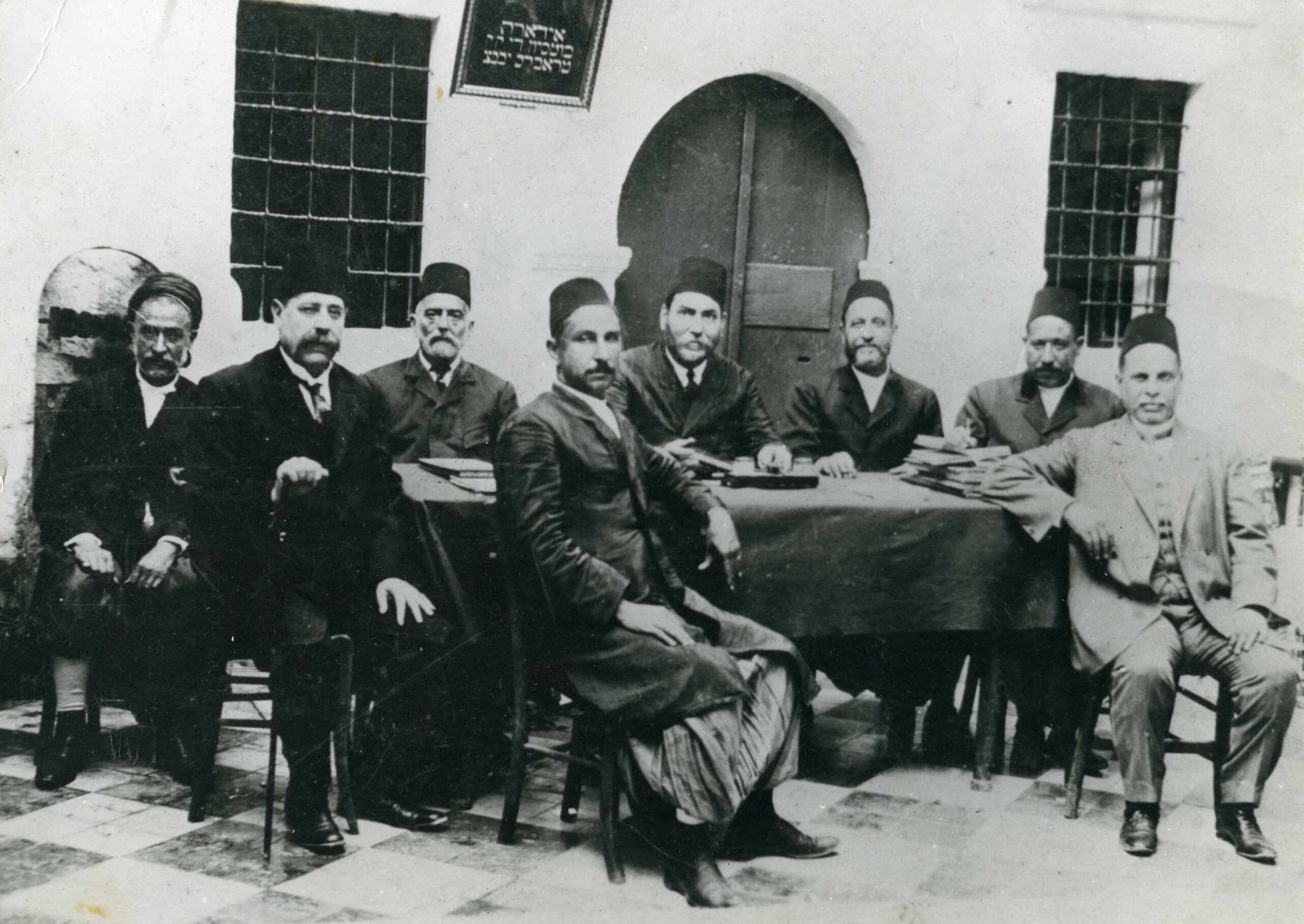
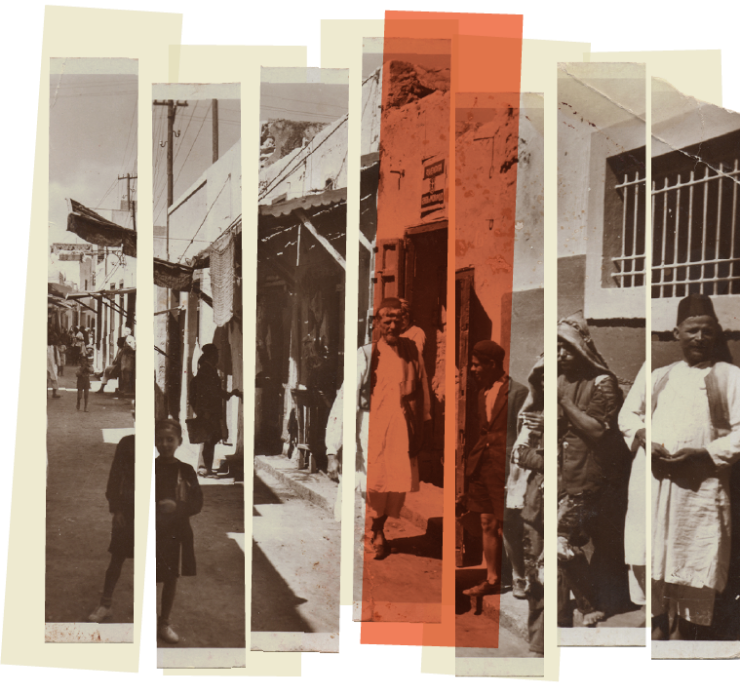
A Jewish presence has been attested in the territories of present-day Libya since at least the fourth century BCE. Since then, Jews in the region lived under various dominations – Roman, Byzantine, Arab, and Spanish – until the establishment of Ottoman rule in 1551. With the arrival of Jews who had been expelled from Spain in 1492, including Rabbi Shimon Labi, local communities experienced a profound religious revival. However, it was primarily the final decades of Ottoman rule that brought about significant changes. The Jewish community was reorganized with the appointment of religious representatives to the imperial authorities, the Ottoman rulers instituted equal citizenship for all inhabitants of the Empire, and internally, the community’s educational system was reformed and modernized. During those years, closer relations also developed between the local Jewish elites and Italy, within the context of Italy’s increasing cultural and economic penetration of the region.
The Italian colonial period
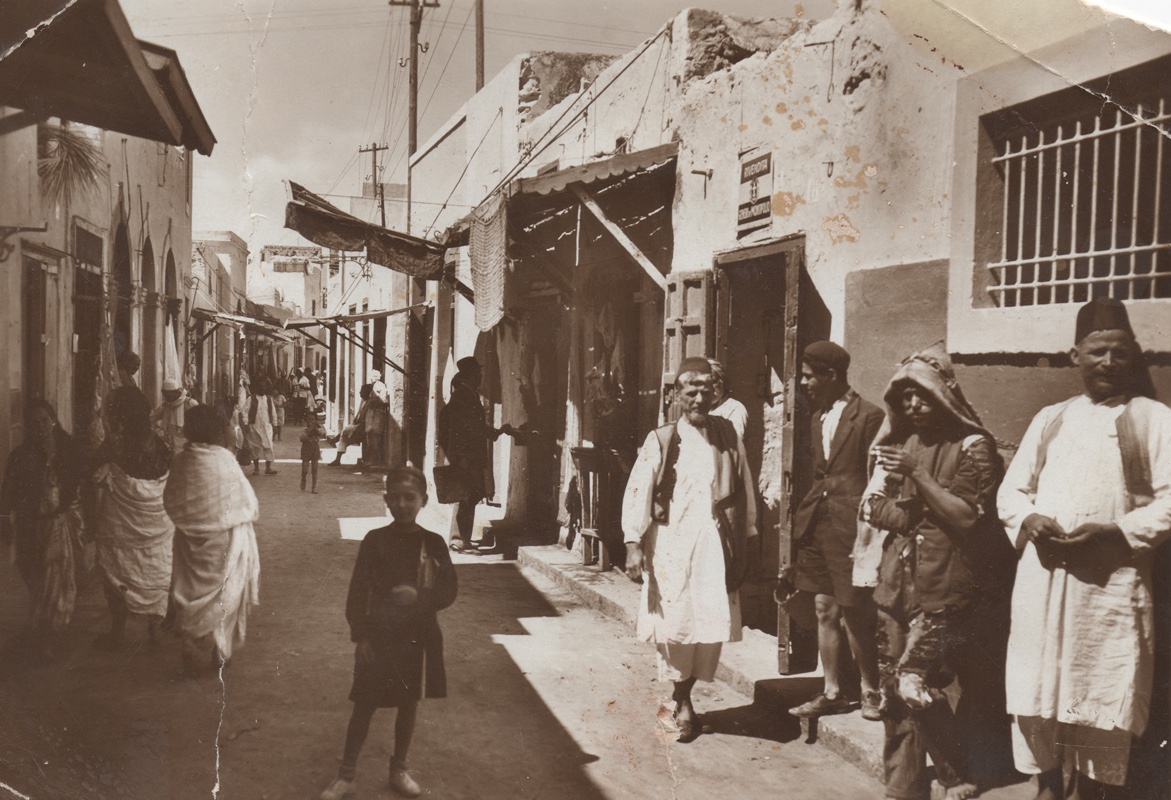
The year 1911, marked by Italy’s military occupation of the Ottoman provinces of Tripoli and Benghazi, constituted a turning point. While colonization had a varied impact on the local Jewish community, which was characterized by profound social and cultural differences, it left indelible marks. Culturally, the educational system instituted by the colonial regime contributed to the spread of the Italian language among a large segment of Libyan Jews. Alongside this, an “Italian” culture and lifestyle increasingly permeated the community. Nevertheless, it retained its local specificity, continuing to share with the Muslim population the language (Arabic) and traditions specific to the North African, and more specifically, Libyan context.
Although the Italian colonial period is generally regarded as a time of social emancipation for Jews, legally speaking, they experienced a regression in status compared to the late Ottoman period. With the introduction of a special colonial citizenship for Libya in 1927, Jews, like other inhabitants of the colony, were placed in a subordinate position and were restricted in their rights compared to metropolitan Italian citizens. A few obtained naturalization, while a minority (albeit a significant one) held citizenship of other European states such as France and the United Kingdom. This reflected not only the migratory histories of various Jewish families residing in Libya, but also the practice carried out by some European powers in the late Ottoman period of granting their citizenship to Ottoman subjects belonging to Christian and Jewish minorities as a means of influence.
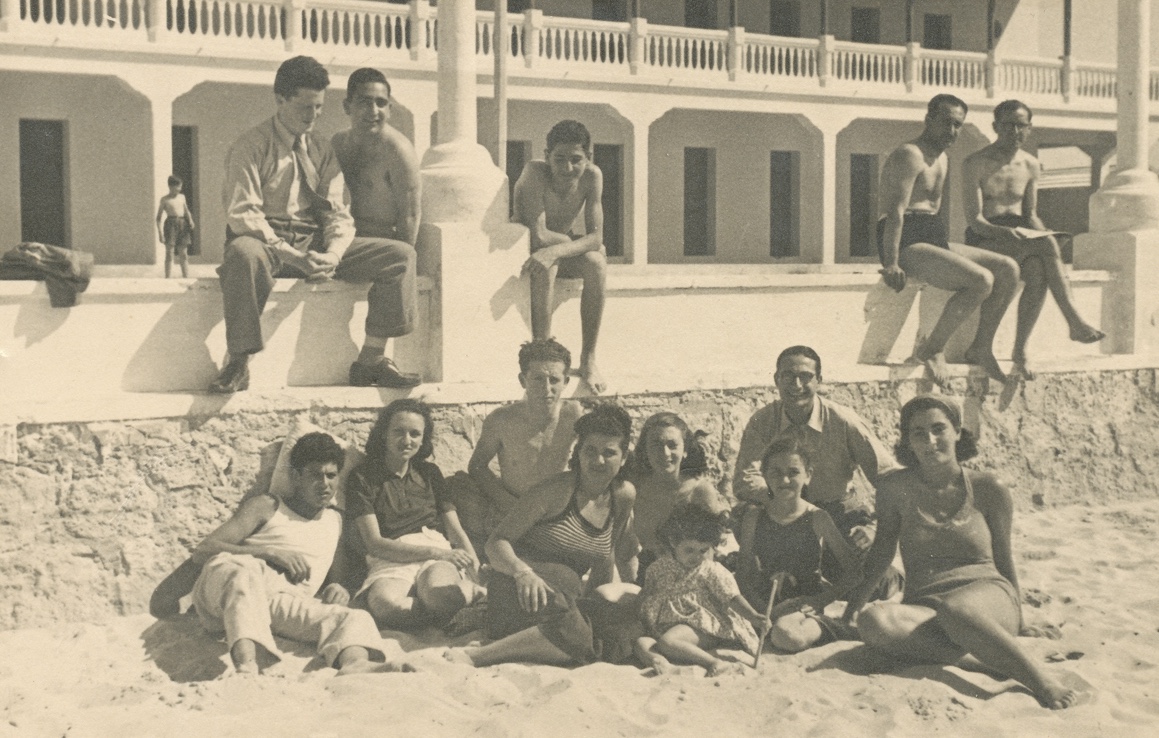
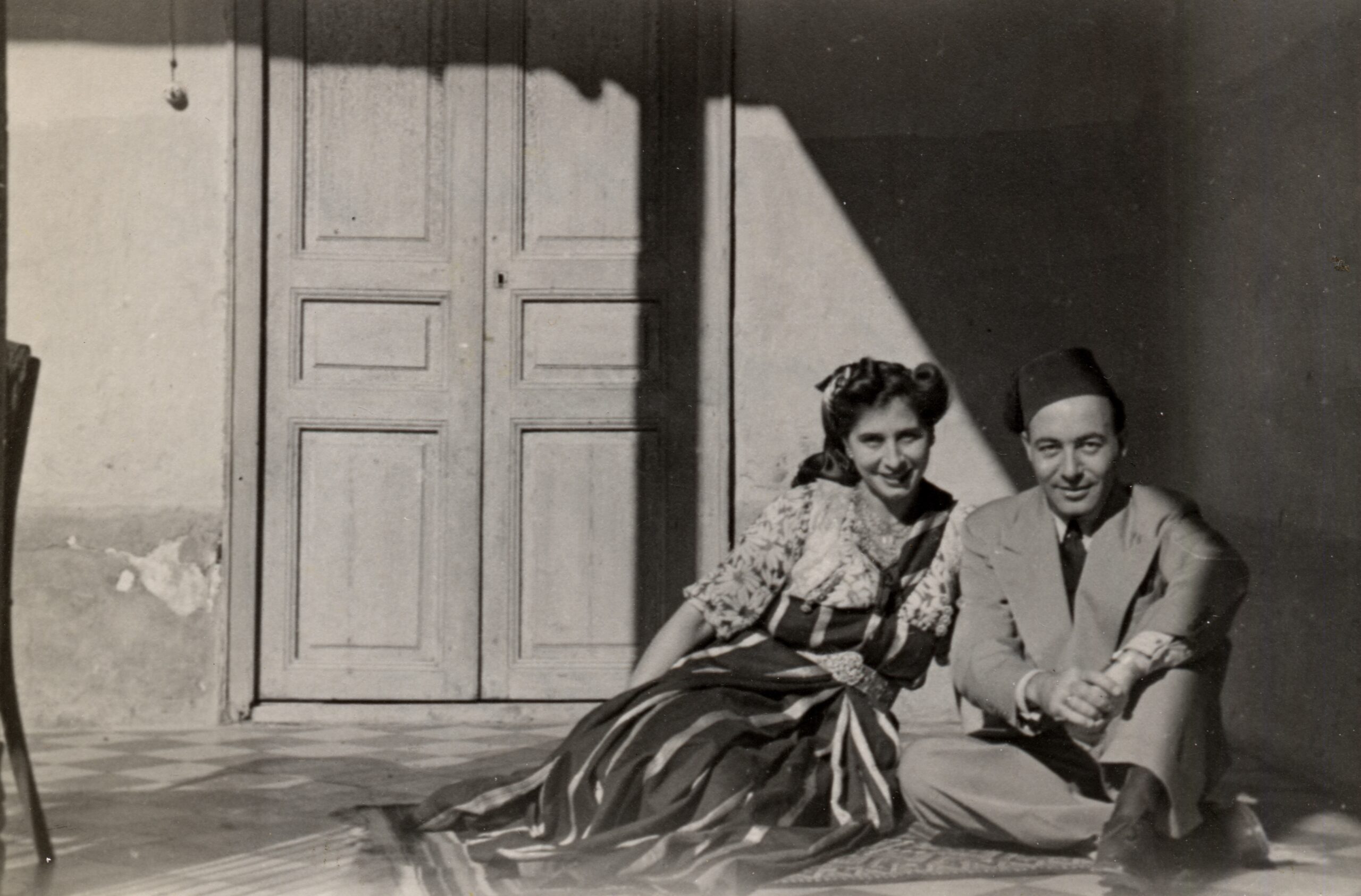
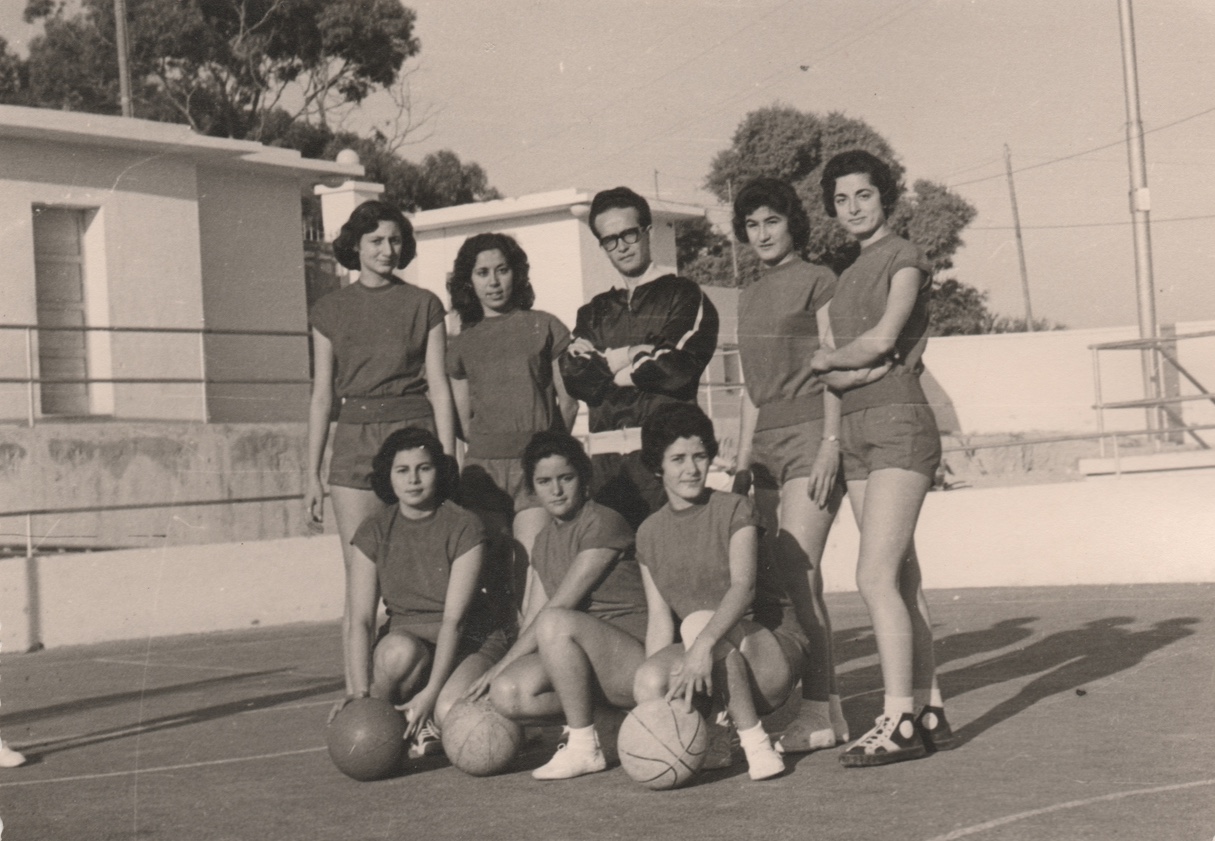
The Italian colonial period also influenced the internal dynamics of the Libyan Jewish community. Despite local resistance, the Italian authorities attempted to reorganize it along the lines of Italian Jewish communities by appointing an Italian chief rabbi in Tripoli, with the aim of exerting tighter control. Moreover, between the 1910s and the 1930s, Zionist activity gradually spread, with the establishment of several associations and organizations in Tripoli and Benghazi, which at times clashed with the community’s traditional leadership. However, it should be emphasized that the Zionism that spread in Libya during those years was more cultural than political. In fact, the number of people choosing to emigrate to Mandate Palestine was minimal. Zionist activity in Libya primarily focused on organizing cultural, sporting, and educational events, contributing to the dissemination of modern Hebrew among the community members and thereby moving the language beyond its strictly religious sphere. By the end of the Italian colonial period, the Jewish communities of Tripoli and Benghazi, like many other Jewish communities in the major cities of the Mediterranean, were multicultural, embodying elements of Jewish, Arab-North African, and Italian culture.
There was an ambivalent relationship between the colonial authorities and the Jewish community. While good relations developed between the Jewish and Italian communities, which persisted through the decolonization process and into independent Libya, significant tensions also arose. Generally, the local Jews welcomed Italian rule. However, colonial governments refrained from overly favorable treatment in order to avoid jeopardizing their often fragile (at least until the final suppression of Libyan resistance in 1932) relations with the Muslim majority. At times, this situation led to direct confrontations, such as in the early 1930s, when the Italian authorities enforced policies of cultural assimilation that compelled Jews to attend school and open businesses on Saturdays. Relations deteriorated further at the end of the decade with the extension of racial laws to Libya in 1938, albeit with some distinctions. Additionally, during World War II, Libyan Jews suffered violence, internment, forced labor, expulsion, and deportation to Europe: around 1,600 Jews of Franco-Tunisian citizenship were expelled to Tunisia, while 400 British citizens were first interned in Italy and later deported to Bergen-Belsen.
The post-World War II period: Between independence and emigration
The post-war period brought further changes. With the 1947 peace treaty, Italy relinquished its sovereignty over Libya, which had been under Allied occupation since 1943. In 1949, a UN resolution set the country on the path to independence, which was proclaimed on December 24, 1951. During these years, relations with the Arab-Muslim population deteriorated dramatically. In 1945 and 1948, Jewish communities fell victim to violence, resulting in the deaths of 130 and fourteen individuals respectively. The ensuing insecurity, uncertainty about the future after independence, desire to contribute to the nascent State of Israel, or simply a search for better living conditions prompted the majority of Jews (31,000 out of 36,000) to emigrate to Israel between 1949 and 1952. The community that remained in Libya was profoundly transformed by this mass exodus. With the disappearance of smaller communities, almost all of the Jews were concentrated in the capital, Tripoli, excluding the 300 Jews who remained in Benghazi. Additionally, with the departure of the poorer segments of the population, the socio-economic gap between the community’s members narrowed considerably, transforming it both socially and culturally.
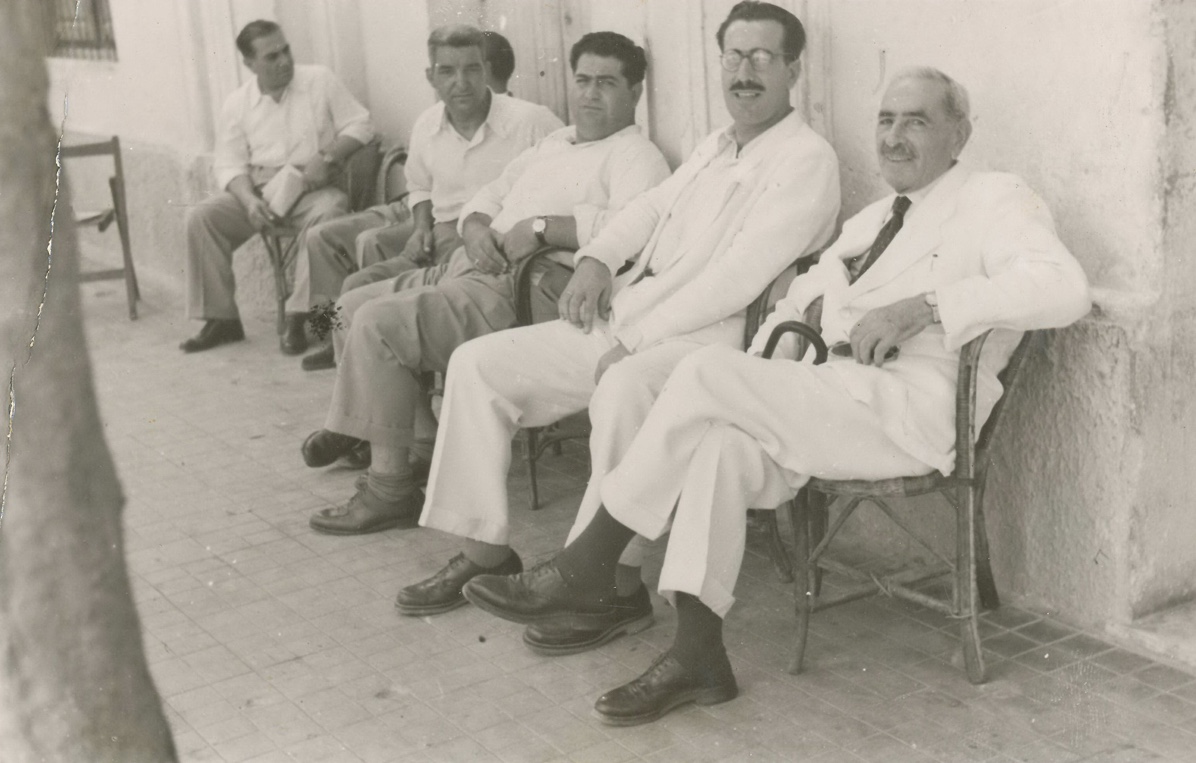
In independent Libya, the condition of the Jewish community was marked by profound contrasts. On the one hand, the local authorities ensured freedom of worship and the protection of property and individuals during various moments of crisis. Intercommunity relations were generally positive. With the country’s economic development following the discovery of oil, the Jewish community experienced a progressive improvement in its circumstances. As they were primarily engaged in commercial activities, Jews played a significant role in the national economy. However, they were never recognized as Libyan citizens, and community life was restricted by the closure of the Maccabi sports and cultural center in 1954 and the Alliance Israélite Universelle school in 1960, as well as the imposition of a government commissioner on the Jewish community of Tripolitania in 1958. Finally, as a result of increasing nationalism, internal tensions, and hostilities between Israel and the Arab countries, Libya also experienced the spread of a climate of hostility towards the Jewish community.
The final exodus
This low-tension situation escalated in 1967, coinciding with the outbreak of the Six-Day War, when the local community faced renewed and significant violence. Confronted with the ensuing insecurity across the country, almost all of the Libyan Jews relocated to Italy. While some chose to stay, others departed from there to Israel, or, to a lesser extent, to other countries such as France, the United Kingdom, and the United States. This mass departure marked the end of Jewish community life in Libya. Despite some Jews returning for short periods in the subsequent years, aiming to sell or reclaim part of their assets, the violence of 1967 represented an irreversible turning point. With Gaddafi’s rise to power in 1969, any hope of a reconciliation between Libya and the Jewish community vanished. In 1970, decrees impacting both the Italian and the Jewish communities were issued, resulting in the confiscation of their assets and their final expulsion from the country. Since then, the vast majority of Libyan Jews have resided between Israel and Italy.
Bibliography
De Felice Renzo, Ebrei in un paese arabo gli ebrei nella Libia contemporanea tra colonialismo, nazionalismo arabo e sionismo (1835-1970), Bologna, Il Mulino, 1978.
Goldberg Harvey E., Jewish life in Muslim Libya: rivals and relatives, Chicago London, University of Chicago press, 1990.
Rossetto Piera, Juifs de Libye. Constellations de mémoires , Arcidosso, Effigi, coll.« Littératures, Cultures, Sociétés », 2023.
Roumani Maurice M., The Jews of Libya: coexistence, persecution, resettlement, Brighton, Sussex Academic Press, 2008.
Roumani Jacques, Meghnagi David et Roumani Judith, Libia ebraica : memoria e identità : testi e immagini, Livorno, Salomone Belforte & C., 2020.
Simon Rachel, Change within tradition among Jewish women in Libya, Seattle, University of Washington Press, 1992.